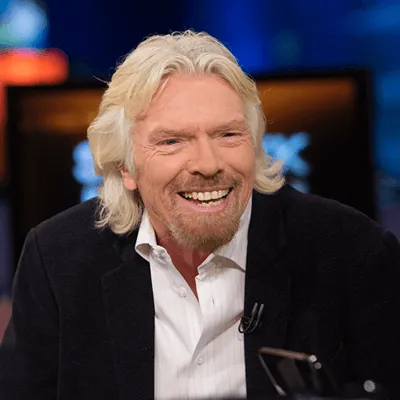
Few entrepreneurs embody the spirit of adventure as vividly as Sir Richard Branson. The founder of the Virgin Group has lived a life that reads like a novel—marked by risk-taking, unconventional business moves, daring records, and a relentless belief that business should be fun. From a dyslexic teenager struggling in school to a billionaire with over 400 companies under the Virgin brand, Branson’s story is one of perseverance, boldness, and boundless curiosity.
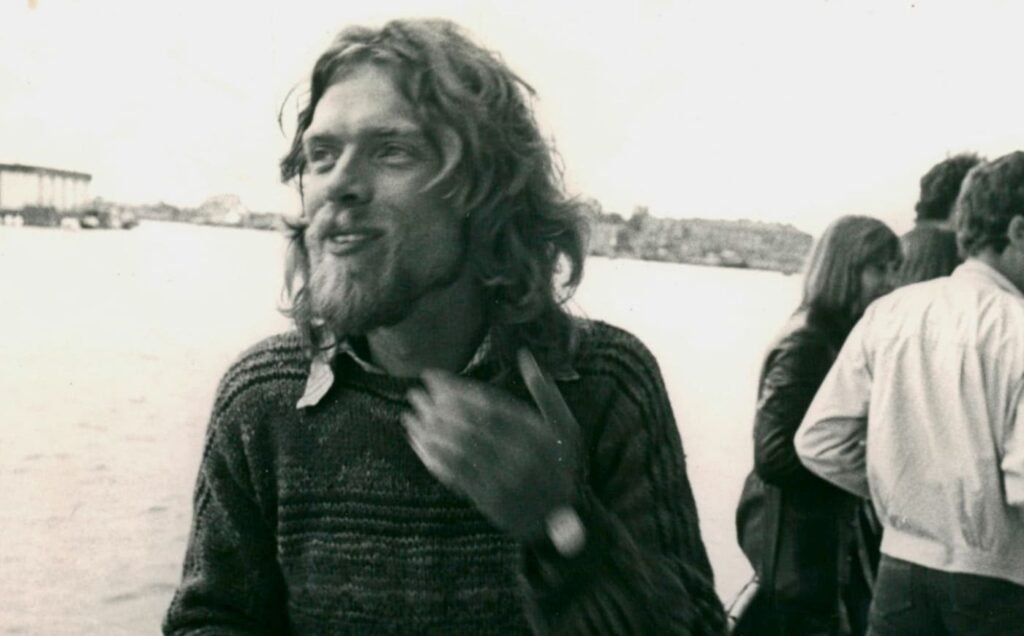
Richard Charles Nicholas Branson was born on July 18, 1950, in Blackheath, London. His mother, Eve Branson, was a flight attendant and entrepreneur, while his father, Edward James Branson, worked as a barrister.
Branson’s school years were anything but smooth. Struggling with dyslexia, he often felt out of place in the rigid academic system. A headmaster once famously told him he would either end up in prison or become a millionaire. Branson took that as motivation.
By 16, he dropped out of school and launched his first venture—a magazine called Student. It was the late 1960s, and Branson saw an opportunity to give young people a voice. The magazine never became wildly profitable, but it gave him a taste of entrepreneurship and the thrill of creating something from nothing.
In 1970, Branson launched Virgin Mail Order Records, selling music at discounted prices through ads in his magazine. The idea was simple but disruptive: cut out middlemen and offer cheaper prices directly to customers.
Two years later, he opened the first Virgin Records store in London. Soon, Virgin Records evolved into a record label. In 1973, it signed Mike Oldfield, whose album Tubular Bells became a massive success. Virgin Records went on to sign legendary acts such as the Sex Pistols, Rolling Stones, Janet Jackson, and Culture Club.
By the 1980s, Virgin had become synonymous with youth, rebellion, and innovation. Branson built a brand that wasn’t afraid to challenge the establishment—and customers loved it.
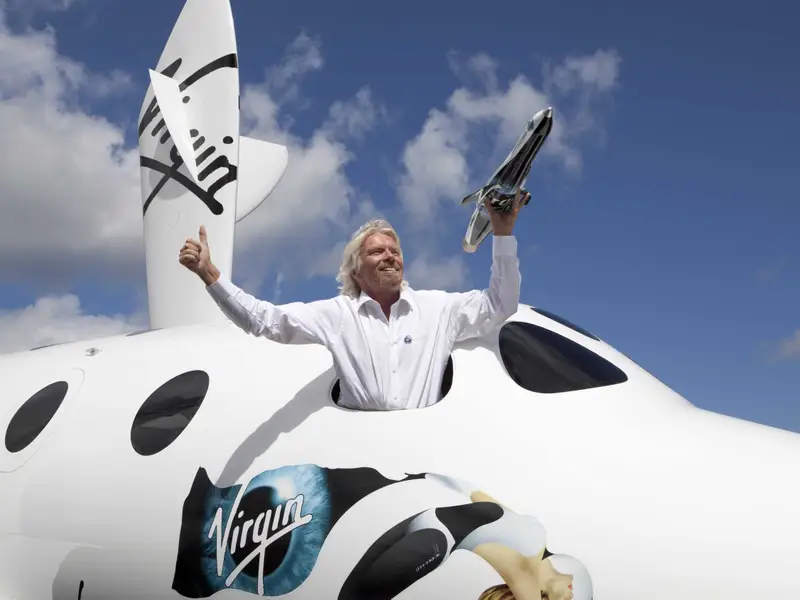
Branson was never content with just one industry. He believed Virgin could challenge giants in any field. Over the decades, he launched ventures in:
Today, the Virgin Group oversees more than 400 companies operating in diverse industries, making it one of the most eclectic business empires in the world.
For all his successes, Branson’s journey was riddled with challenges:
Branson never shied away from failure. In his words: “Business opportunities are like buses; there’s always another one coming.”
Unlike most billionaires, Branson has always blurred the line between business and adventure. He is as famous for his daring exploits as for his companies:
These stunts weren’t just for thrills—they reinforced Virgin’s brand as bold, daring, and fun.
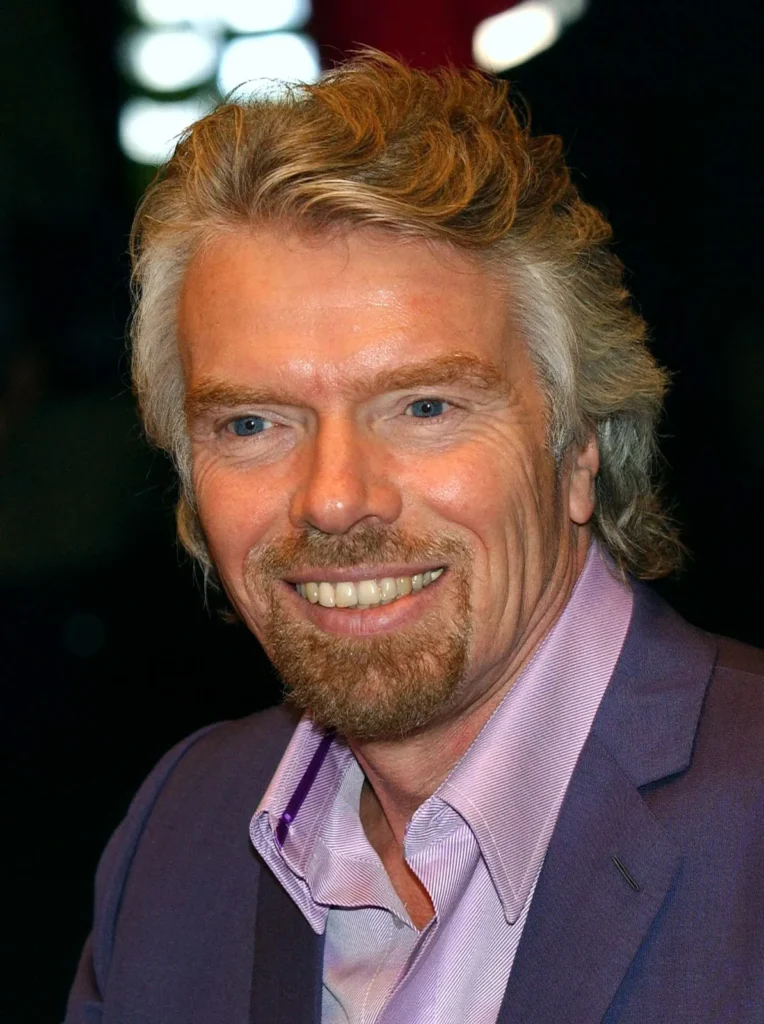
Branson’s achievements are staggering:
Financially, his net worth is estimated in the billions, but Branson has often said that money was never his main motivator—adventure and making a difference were.
Through Virgin Unite, the non-profit foundation of Virgin Group, Branson supports global initiatives ranging from climate change to global health and education. He has also pledged to give away half his wealth as part of The Giving Pledge, joining other billionaires committed to philanthropy.
His advocacy extends beyond charity. Branson has spoken out on issues such as drug policy reform, environmental sustainability, and entrepreneurship for disadvantaged youth.
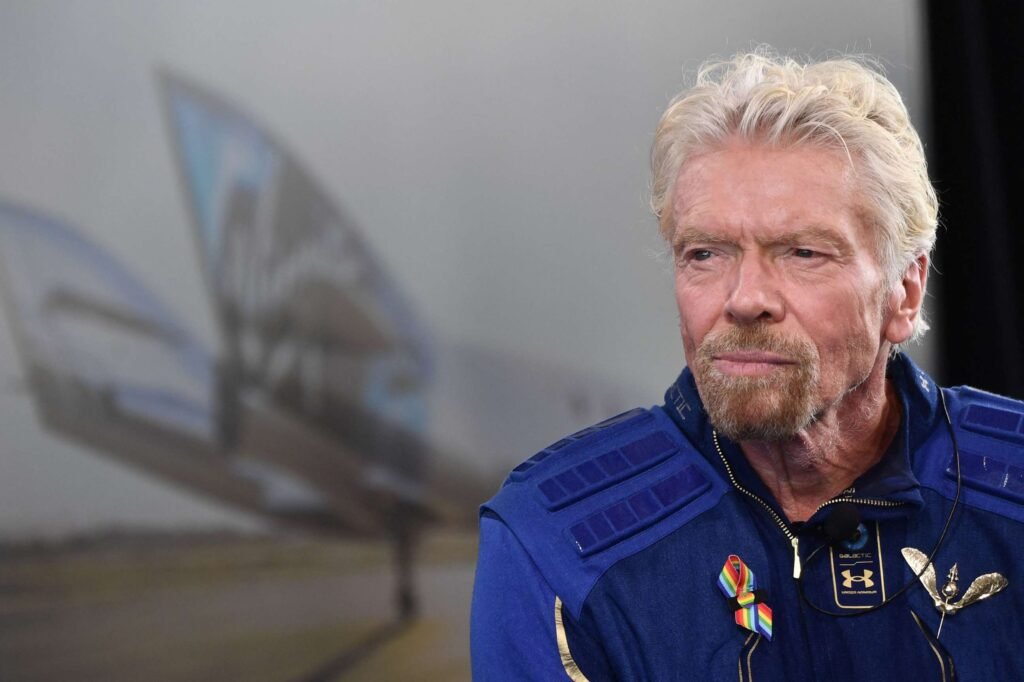
Branson’s boldest project remains Virgin Galactic, which aims to make space tourism accessible to civilians. In 2021, at age 70, Branson himself flew to the edge of space aboard Virgin Galactic’s VSS Unity, marking a milestone in commercial space travel.
He also envisions a future where businesses play a central role in tackling the climate crisis. Branson has invested in renewable energy initiatives, carbon reduction technologies, and companies working on sustainable aviation fuel.
For Branson, the future is about exploration and responsibility—pushing the limits of human adventure while leaving behind a better planet.