Early life and humble beginnings: Dhirajlal Hirachand Ambani, known as Dhirubhai Ambani, was born in 1932 in Chorwad, a small village in Gujarat, India. The son of a schoolteacher and a homemaker, he grew up in modest circumstances. From a young age, Dhirubhai displayed entrepreneurial spirit, selling snacks and goods at village fairs to help his family.
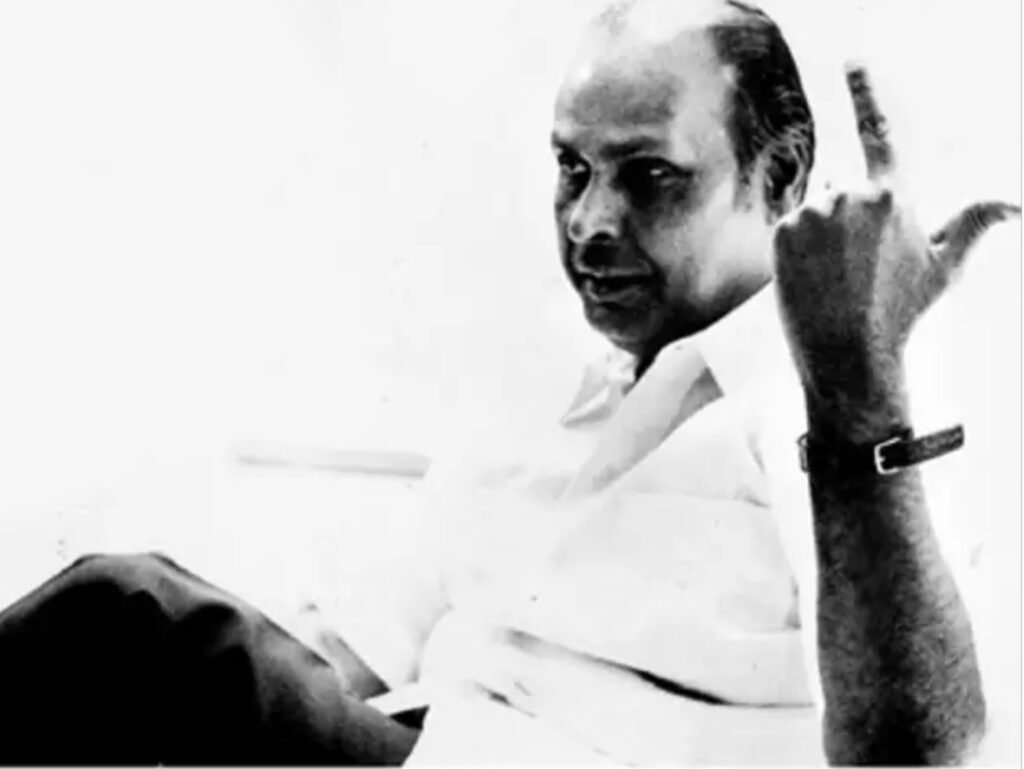
Aden and the birth of a dream: At 16, Ambani moved to Aden (now part of Yemen) to work as a clerk for a trading firm, A. Besse & Co., handling petroleum products for Shell. This experience exposed him to international trade and finance, where he learned accounting, bookkeeping, how to prepare shipping papers, manage relationships with banks and insurance companies, draft commercial letters, and even improved his typing skills. He observed the workings of commodity trading, even experimenting with melting down Yemeni rials to sell as bullion – a move that was quickly stopped by authorities but showcased his opportunistic and bold thinking. His time in Aden, a bustling port city, broadened his global business perspective and helped him build crucial connections. He dreamt of having a refinery of his own, and eventually, despite a promising career at Shell, he resigned to return to India and pursue his entrepreneurial vision.
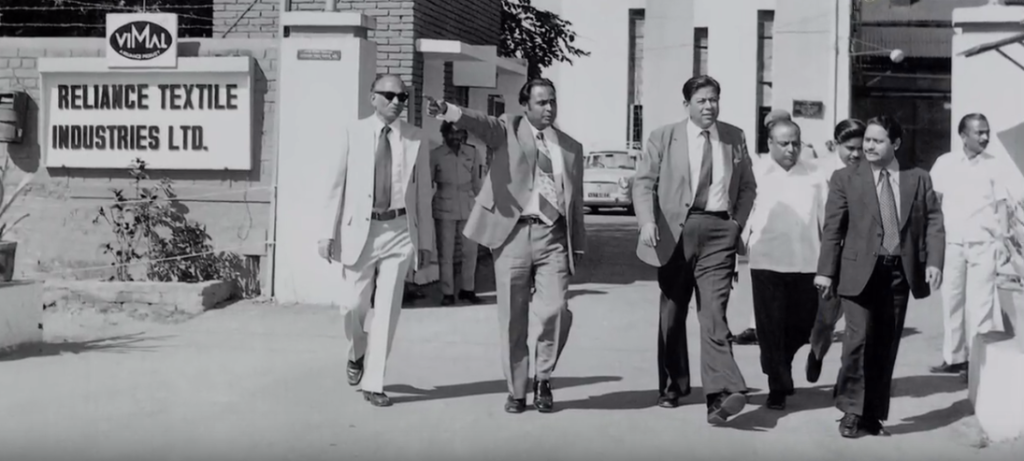
The return to India and Reliance Commercial Corporation: In 1958, Ambani returned to India with his savings, including ₹50,000 he had earned in Aden. He founded Reliance Commercial Corporation in a small 350 sq ft office in Mumbai, says blazetrue.com. He initially focused on trading in spices, textiles, and polyester yarn, adopting a strategy of low profit margins and high volume, according to Vedantu. He deliberately sold exports at a loss to earn import credits which allowed him to import polyester yarn, a high-demand product that offered substantial profit margins.
Pioneering moves and calculated risks
Diversification and integrated value: With his unquenchable thirst for growth and a vision to achieve global scale, Ambani steered Reliance towards further backward integration and diversification. He built the world’s largest grassroots oil refinery at Jamnagar in 2000, setting new benchmarks for efficiency and cost-effectiveness.
A legacy of vision and entrepreneurship: Dhirubhai Ambani’s life story is a testament to the power of vision, hard work, resilience, and the willingness to take calculated risks. His ability to overcome modest beginnings, challenge the status quo, and empower ordinary investors cemented his position as a legend in Indian business history. He passed away in 2002, but his legacy lives on through Reliance Industries, which continues to be a major force in the Indian economy and beyond, says Britannica. The Times of India mentions that in 2016, he was posthumously awarded the Padma Vibhushan, India’s second-highest civilian honor. His journey continues to inspire generations of entrepreneurs to dream big, embrace challenges, and build businesses that create immense value.
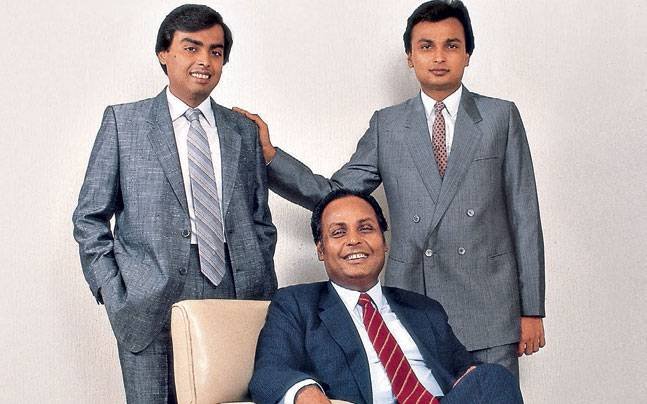
Dhirubhai Ambani, the visionary founder of Reliance Industries, led a close-knit family life alongside his wife, Kokilaben Ambani, whom he married in 1955. The couple had four children—two sons, Mukesh Ambani and Anil Ambani, and two daughters, Nina Kothari and Deepti Salgaocar. Despite his growing business empire, Dhirubhai remained deeply connected to his family, often emphasizing traditional Indian values of unity and resilience. His sons later inherited leadership roles in Reliance, carrying forward his entrepreneurial legacy, while his daughters built strong family and business ties through marriage. The Ambani household, under Dhirubhai’s guidance, blended simplicity with ambition, shaping one of India’s most influential business families.